Some stories are etched into our hearts so deeply first steps, family holidays, birthdays, grandparents laughing in the sunshine that we feel like we already have them saved forever. But what happens when the DVD, VHS or compressed copy you were so proud to have turns out soft, blurry, or lifeless?
The painful truth is this:
A DVD transfer is not the same as scanning the original recording.
And until you go back to the original source the film or tape that was actually shot you’re only seeing a shadow of the memories you care about.
That’s what this blog is all about.
Below you’ll find a series of real before-and-after comparison videos, each showing:
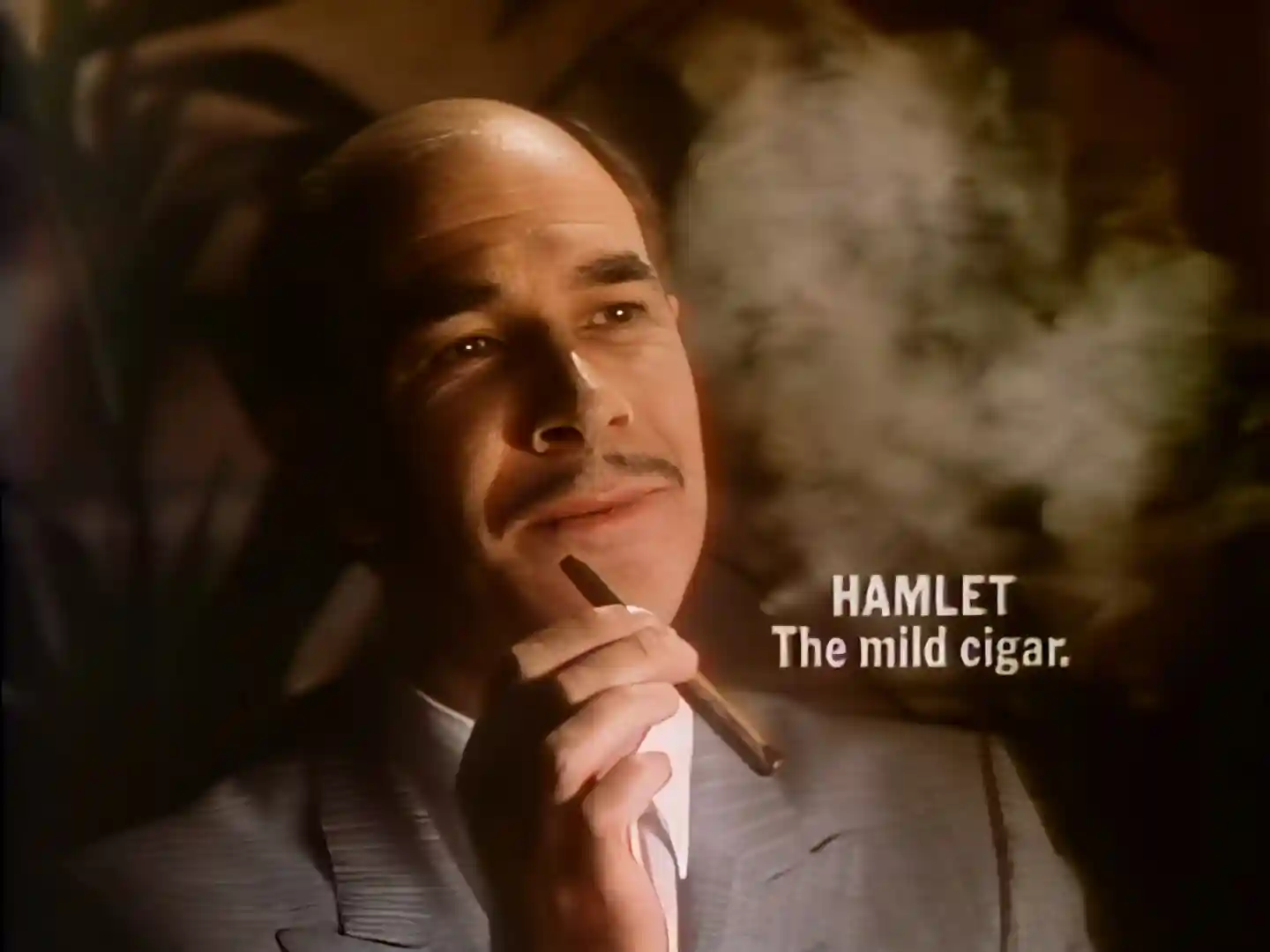
Left: the DVD/VHS transfer from years ago
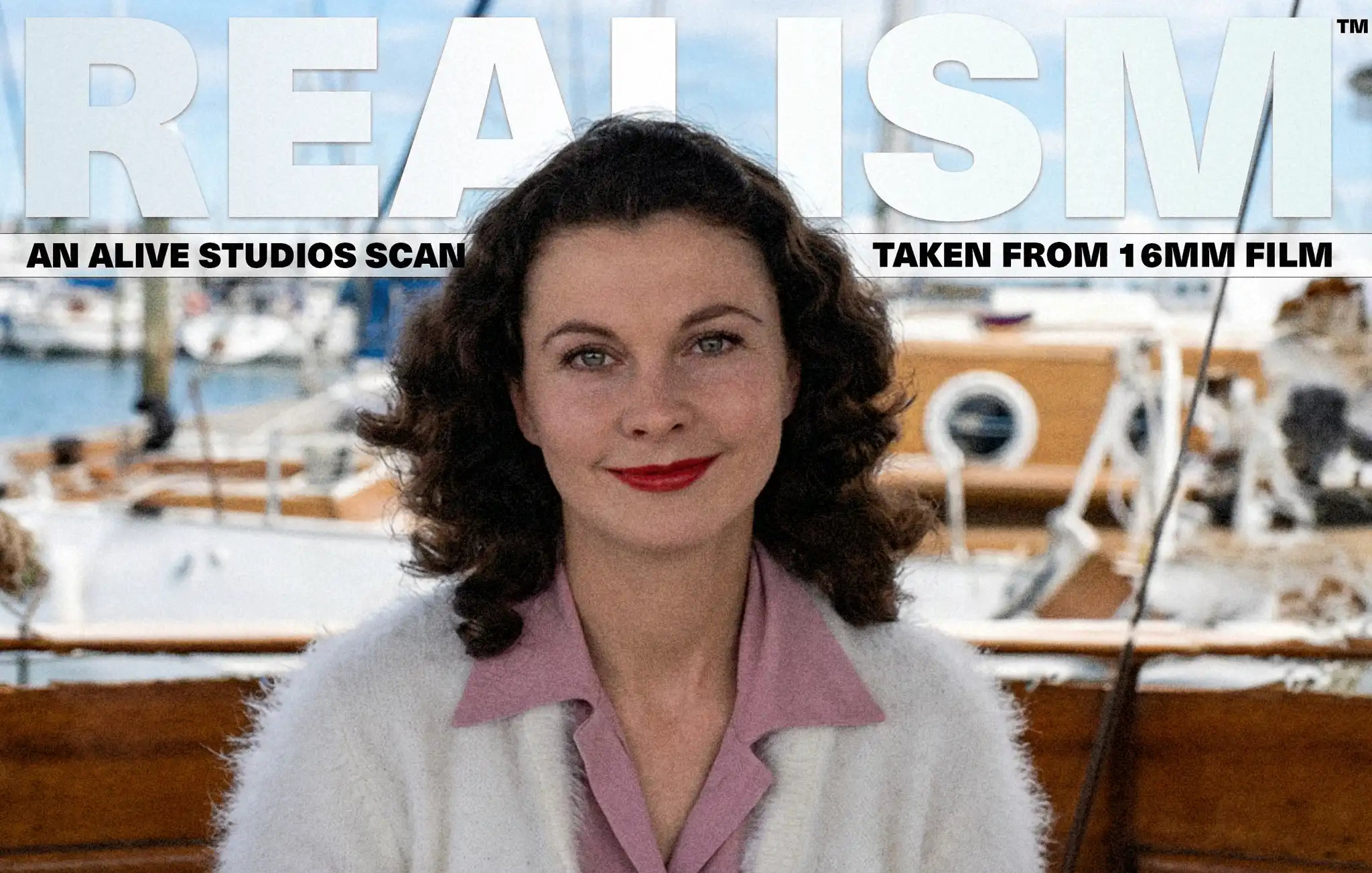
Right: the new 4K re-scan we completed here at Alive Studios in 2025/26
If you’ve ever wondered what your memories really looked like, these clips will open your eyes.
🎞️ The Limitations of Old DVD Transfers
When your 8mm film or camcorder tape was first transferred to DVD, the tools and formats of that time simply couldn’t capture all the detail in your original material.
DVD transfers typically:
Capture at standard-definition resolution
Compress the footage heavily
Lose fine facial detail and texture
Flatten colours and reduce depth
You might remember how you felt watching them when you first got the DVD. But if you look closely, many of the tiny details your eyes remember were never actually captured in the transfer. That doesn’t mean they’re gone it just means they weren’t preserved in the DVD.
Why isn’t a DVD transfer the same as rescanning the original film or tape?
When a film or camcorder tape was transferred to DVD years ago, it was converted into a standard-definition, heavily compressed format. That process permanently limited how much detail could be preserved.
The original film or tape, however, still contains far more information – including fine facial detail, natural colour and texture – that simply never made it into the DVD. By rescanning the original source today, we can capture what was actually recorded, not just what survived an older transfer.
🌟 Why We ALWAYS Recommend Starting with the Original
Here’s the most important thing we want you to know:
Whether it’s 8mm cine film, Super 8 film, original camcorder tape, or any other original recording medium going back to the original source material will almost always give the best possible result.
Why?
Because:
The real detail is on that film or tape
DVD (or other intermediates) are second-generation copies
Each generation loses information
The original holds more colour, texture, and true resolution
When we scan the original material frame by frame in 4K, we are capturing everything that was actually recorded, not just what was left after someone else’s transfer. That is why the right side of the videos below looks so much richer, deeper, and more alive than the DVD versions on the left.
Does rescanning the original film really make a visible difference compared to a DVD?
Yes – and this is where many people are genuinely surprised. A modern 4K scan captures significantly more detail, colour depth and tonal range than a DVD ever could. When we work directly from the original film or tape, the images often regain a sense of depth, warmth and realism that simply isn’t present in older DVD transfers.
That’s why the rescanned footage in the comparison videos looks so much more alive and true to memory.
🎞️ What If All You Have Is a Copy?
We know this isn’t always ideal and we still want to help you.
If all you have is:
A DVD someone made years ago
A VHS, MiniDV or other tape
A digital file handed down from a family member
Then yes we can absolutely improve the picture and sound.
We can:
Restore clarity
Reduce noise
Improve colour balance
Enhance audio
Stabilise shaky footage
And make the most of every frame you have
But it’s important to be honest:
A restoration from a copy will never reveal more detail than is actually in that copy.
You can make it look better, but you won’t recover details that were never captured in the first place.
That’s not a limitation of our tools it’s physics.
🎞️ Your Memories Deserve Better Than DVD
We say this because we mean it:
Your memories deserve better than DVD.
Not because DVDs were bad.
Not because technology is new.
But because your original recordings hold so much more than most people realise and every extra bit of detail is a moment worth preserving. If you’re curious about what we could do with your films or tapes, we’d love to talk to you about it. Sometimes all it takes is one look to remind you exactly why you held that film in your hands in the first place.
Is a DVD transfer the same as scanning the original film or tape?
No. A DVD transfer is a compressed, standard-definition copy. Scanning the original film or tape captures far more detail, colour and texture that was never preserved in the DVD. To see what was truly recorded, you must go back to the original source.
Why do old DVD transfers look soft or blurry?
Most DVD transfers were made using older technology and heavy compression. They capture limited resolution, lose fine detail, flatten colour and reduce depth. In many cases, the missing detail still exists on the original film or tape — it just wasn’t captured in the DVD.
Will scanning the original film look better than my DVD?
Yes, always. A 4K scan of the original cine film or video tape captures significantly more detail, colour and texture than a DVD. That’s why rescanned footage looks richer, deeper and more lifelike than older DVD transfers.
Why do you recommend starting with the original recording?
The original recording contains the most information. Every copy made after it loses detail. Scanning the original cine film or video tape allows us to capture what was actually recorded, rather than what remains in a second-generation DVD or digital file.
Can you improve footage if all I have is a DVD or VHS?
Yes. We can improve clarity, reduce noise, balance colour, enhance audio and stabilise footage from DVDs or tapes. However, restoration cannot recover detail that was never captured in the copy. Improvements are always limited by the source.
Can restoration or AI add detail that isn’t there?
Yes — to a degree. Modern AI can intelligently rebuild fine texture and sharpness, but it’s making an informed best-guess. Starting from the original film or tape gives the AI far more genuine picture information to work with, so results look more authentic. A compressed DVD simply doesn’t contain enough data for the same level of reconstruction.
📩 Ready to Bring Your Memories to Life?
Whether you’ve got:
✅ Original 8mm, Super 8, 9.5mm or 16mm film
✅ Camcorder tapes (VHS, Hi8, Digital8, MiniDV)
✅ Or even just an old DVD or digital copy…
We can help you rediscover your memories.
Email us at: jennie(at)alivestudios(dot)co(dot)uk or call [01626 683139]
You don’t have to choose between nostalgia and quality.
You deserve both.